


By ReShonda Tate
When we think of Dr. Martin Luther King Jr., we often picture his iconic speeches and his unwavering commitment to justice and equality. But behind the scenes of the Civil Rights Movement was a powerful force of women whose work was instrumental in advancing the cause. From strategizing marches to leading local movements, women like Coretta Scott King, Ella Baker, and Diane Nash were the backbone of the movement, ensuring Dr. King’s dream could take shape.
“African American women’s contributions to the Civil Rights Movement have long been overlooked, despite their pivotal role,” said Dr. Malachi D. Crawford, PhD, Associate Professor of History at Prairie View A&M University. “These women were not merely organizers or participants but influential leaders whose vision reshaped the movement’s strategies.”
The contributions of women were largely sidelined during this era, including at Dr. King’s iconic “I Have a Dream” speech at the March on Washington. Despite that slight, many like King, Baker and Nash, refused to take a back seat to the fight. African American women led and served in all the major campaigns, working as field secretaries, attorneys, plaintiffs, organizers and educators, to name just a few roles. So why did early historical accounts of the movement neglect their stories?
“Pauli Murray, a Howard University Law School graduate and civil rights attorney, played a key role in refining the legal arguments that ultimately led to the landmark decision in Brown v. Board of Education (1954),” Crawford said. “Similarly, Ella Baker’s advocacy empowered African American youth to assert their voices and resist the dominance of older, more traditional leaders, shaping the student-driven activism phase of the movement. While it is impossible to determine whether more women in leadership would have expedited progress, their influence undoubtedly broadened the scope of civil rights achievements.”
There were women propelling national civil rights organizations and among King’s closest advisers. Septima Clark, for example, was a seasoned educator whose strong organizing skills played a consequential role in voter registration, literacy training and citizenship education. Dorothy Cotton was a member of the inner circle of the Southern Christian Leadership Conference, of which King was president, and was involved in literacy training and teaching nonviolent resistance.
Without Black women, there wouldn’t have been a Black freedom movement, and if the men would have opened up to their leadership, there could’ve been more progress, according to scholars and historians.
“The Civil Rights Movement would not have experienced success without our labor,” said Naomi Washington-Leaphart, adjunct professor of theology and religious studies at Villanova University. “Women pushed King to imagine deeper. Women held King accountable. And women continued the work after he was killed.”
Today, women continue to carry forward that legacy, pushing for equity and justice in Houston and beyond. As we honor Dr. King’s life and work, it is essential to recognize the women in our own community who embody his vision and keep his dream alive.
Often unsung, these women carry forward Dr. King’s vision, confronting modern challenges with courage and determination. Here are some of the incredible women—both national leaders and local heroes —who continue to make a profound impact in the ongoing struggle for equality.Here are a few trailblazers making a difference:
Local
Dr. Melanie Johnson

As President and CEO of the Collaborative for Children, Johnson is a visionary leader working to address educational inequities in Houston. Her organization is dedicated to improving early childhood education by providing resources, training, and innovative programs that empower teachers, parents, and caregivers in underserved communities. Johnson recognizes that access to quality education is foundational to breaking cycles of poverty and systemic inequality.
In addition to her leadership role, Johnson serves on the City of Houston’s Adult Advisory Board, where she advocates for policies and initiatives that promote equity and inclusion. Her work reflects Dr. Martin Luther King Jr.’s belief in the transformative power of education as a tool for liberation and social change. By ensuring that every child, regardless of their background, has the opportunity to thrive, Dr. Johnson is keeping Dr. King’s dream of equality and justice alive.
Dr. Bakeyah Nelson

The Executive Director of Air Alliance Houston, Nelson is at the forefront of the fight for environmental justice in the city. Her work focuses on addressing the disproportionate impact of air pollution on marginalized communities, particularly in Houston’s historically underserved neighborhoods. Under her leadership, Air Alliance Houston conducts research, policy advocacy, and community engagement to improve air quality and reduce public health disparities caused by environmental injustices. Nelson’s efforts highlight the intersection of environmental issues and civil rights, emphasizing that clean air and a healthy environment are fundamental human rights. By championing the voices of communities often excluded from environmental decision-making processes, she aligns with Dr. King’s vision of justice that encompasses both social and environmental equity. Through her dedication to creating a healthier, more equitable Houston, Nelson is advancing Dr. King’s dream of a society where all people can thrive, free from the burdens of systemic injustice.
Kandice Webber

A passionate advocate for civil rights and social justice in Houston, Kandice is the organizer of the March for Black Women and a leader within Black Lives Matter Houston, Webber tirelessly champions the rights and dignity of Black communities. She is also the founder of Houston Rising, an organization dedicated to addressing systemic inequities and amplifying the voices of marginalized people. Her work embodies Dr. Martin Luther King Jr.’s vision of justice, equality, and collective empowerment. Through organizing protests, community events, and educational initiatives, she challenges institutional racism and uplifts Black voices. Her efforts focus on issues such as police accountability, healthcare equity, and the intersectional struggles faced by Black women. Webber’s commitment to activism not only fosters solidarity within Houston’s diverse communities but also inspires ongoing action toward achieving Dr. King’s dream of a just and inclusive society.
Jolanda Jones
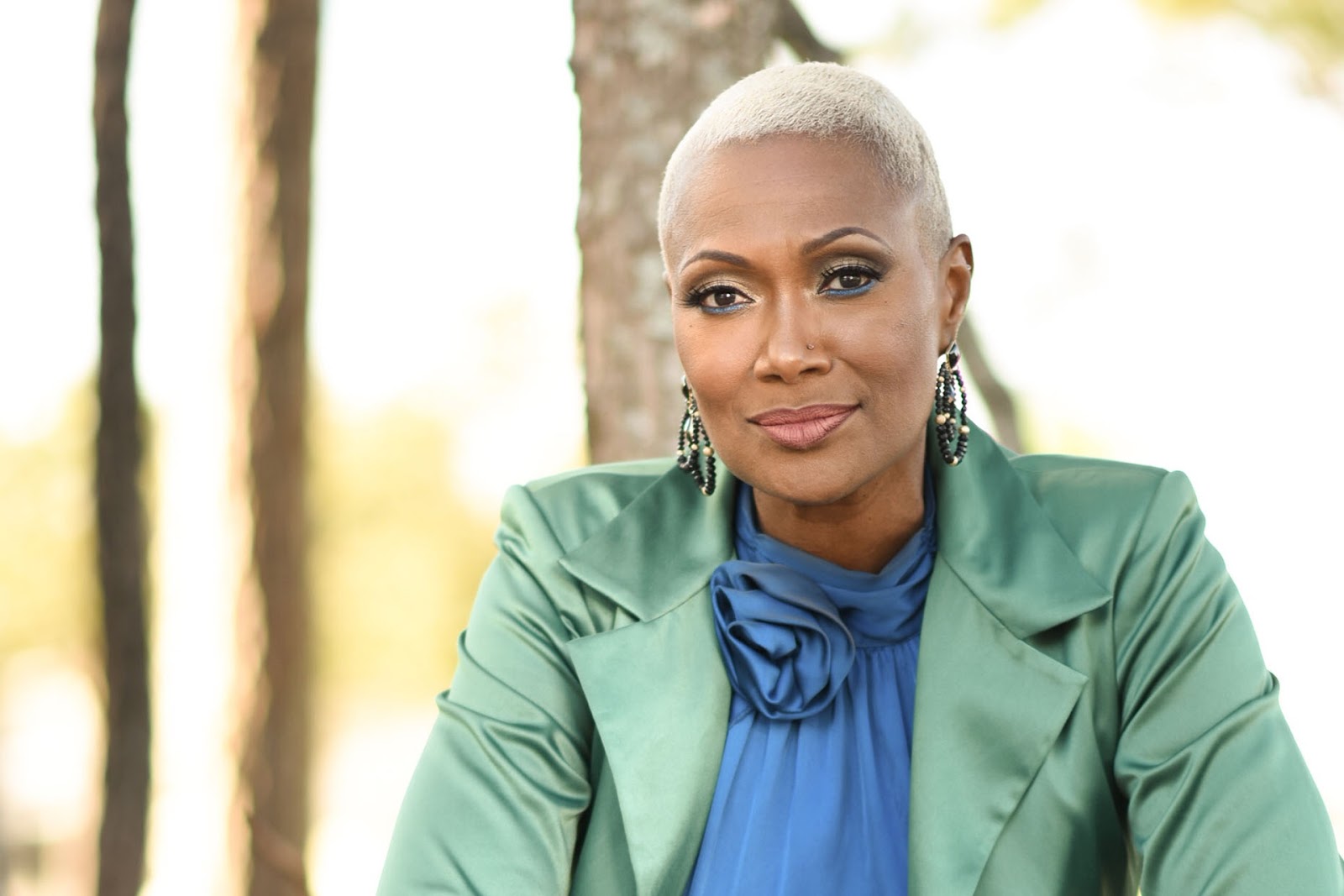
Texas State Representative Jolanda Jones is a fierce advocate for equity, justice, and civil rights in Texas. As a legislator and a former Houston City Council member, Jones champions policies that address systemic disparities in education, criminal justice reform, and access to healthcare. Known for her no-nonsense approach, she uses her platform to amplify the voices of marginalized communities, especially those of Black and LGBTQ+ Texans. Jones’s work aligns with Dr. Martin Luther King Jr.’s dream by striving to dismantle structural barriers and create opportunities for all, particularly in underserved communities. Her relentless push for accountability and transparency in governance reflects her commitment to social justice and equal rights for all Texans.
Dr. Assata Richards

A transformative leader dedicated to empowering marginalized communities in Houston through research, advocacy, and action, Dr. Assata Richards specializes in community-based research that amplifies the voices of underserved populations, ensuring their needs and concerns are prioritized in policy-making and development initiatives. She believes in the importance of data-driven solutions to address systemic inequities and create meaningful change. A key focus of her work is housing and economic development and she has been instrumental in advocating for affordable housing and equitable urban planning, ensuring that historically disenfranchised neighborhoods have access to the resources and opportunities they need to thrive. She works closely with community members to identify challenges and implement programs that foster economic empowerment, sustainability, and social cohesion. By addressing the structural barriers that perpetuate inequality and championing community-driven solutions, Richards is keeping Dr. King’s dream alive and helping to build a more just and equitable Houston.
National Leaders
Stacey Abrams

A household name in the fight for voting rights, Stacey Abrams has been instrumental in combating voter suppression. Through her organization Fair Fight, she has registered hundreds of thousands of voters and amplified awareness of the systemic barriers marginalized communities face.
Tamika Mallory

As a co-founder of the social justice organization Until Freedom, Tamika Mallory has been at the forefront of the movement for racial justice. Her activism spans from organizing protests to demanding accountability in high-profile cases of police brutality.
LaTosha Brown

LaTosha Brown, co-founder of the Black Voters Matter Fund, has dedicated her life to empowering Black communities through voter mobilization and advocacy. Her work has been pivotal in advancing civic engagement in historically disenfranchised areas.
Angela Rye

A political strategist, attorney, and commentator, is a powerful voice for civil rights and social justice. As the CEO of IMPACT Strategies, Rye uses her platform to advocate for economic empowerment, voting rights, and the protection of civil liberties. A frequent commentator on national news platforms, she educates and mobilizes the public on critical issues affecting Black communities, including systemic racism, voter suppression, and criminal justice reform. Rye honors Dr. King’s legacy by using her influence to promote civic engagement and inspire the next generation of activists and leaders. Her work ensures that the fight for equality and justice remains at the forefront of national conversations, helping to keep Dr. King’s dream alive in today’s America.
Tarana Burke

Tarana Burke, the founder of the #MeToo movement, has dedicated her life to social justice, advocacy, and the empowerment of marginalized communities. Burke works to center the experiences of women and girls of color in the fight against sexual violence, ensuring that those often silenced are heard and valued. Her continued advocacy for education, healing, and policy reform ensures that the movement is not a fleeting moment but a sustained effort toward societal transformation. By addressing the root causes of injustice and amplifying the voices of the vulnerable, Burke is living out Dr. King’s dream of a world where everyone can “sit down together at the table of brotherhood.” Her work inspires others to stand against injustice and create a future where dignity and equality are a reality for all.